Building Social Bonds in a Dementia Care Home
Seniors with dementia often isolate themselves and get away from social activities. This leads to depression, anxiety, and faster cognitive decline. Seeing your senior loved one with dementia or Alzheimer’s in such a condition is never easy. That is why memory care communities focus on creating a supportive and social environment that encourages residents to interact with others and build healthy relationships.
According to a study, ten minutes of social interaction can greatly improve the well-being of your loved one with dementia. These social interactions and bonds can provide comfort, reduce loneliness, slow down cognitive decline, and preserve a sense of identity. So, how do memory care communities actually foster these meaningful connections? Let’s dive deeper into it!
5 Ways Dementia Care Homes Encourage Social Bonds
Wondering how your loved one will find companionship in a memory care setting? No need to worry! Memory care homes are thoughtfully designed to facilitate social interactions more easily and naturally for their residents. Let’s have a closer look at the strategies they use.
1. Group Activity Programs
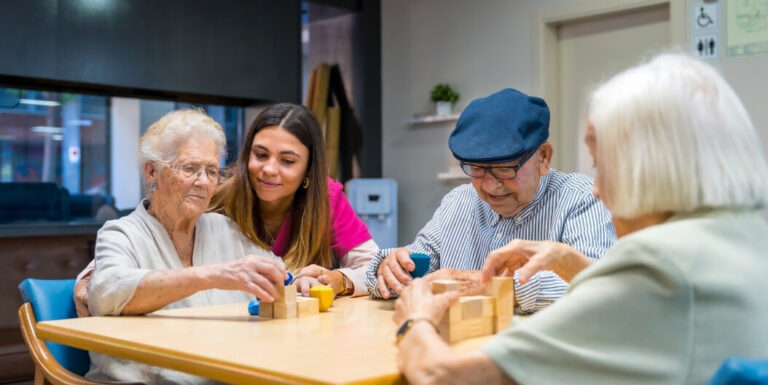
Group activities have proven to be the best way of nurturing social bonds in dementia care homes. Programs, such as sing-along sessions, walking clubs, movie nights, dance classes, fitness exercises, and art workshops, are designed to boost social energy.
Such engaging activities promote brain health and create opportunities to share moments of happiness. In these settings, your senior loved one will feel comfortable interacting with other people around them. What will start as a small circle can grow into a companionship, creating a sense of belonging and community that they need the most.
2. Inclusive Social Spaces
The design of a memory care community plays a crucial role in determining how residents interact with each other. Large and noisy spaces can feel overwhelming and may be annoying at times. On the other hand, small isolated rooms can create a sense of loneliness and discourage conversations. Keeping that need in mind, memory care communities include well-designed social spaces where residents can naturally come together.
Spaces like a reading nook, shared garden, shared dining areas, and round table seating arrangements make it easier for your senior loved one with dementia to engage without any added pressure. These spaces are meant to create a welcoming and comfortable environment that encourages gentle conversations. Over time, these places often become a backdrop for friendships and lasting social bonds.
3. Skilled Caregivers
Memory care staff play an important role in easing the challenges that people with dementia face while communicating and expressing themselves. Since caregivers are constantly monitoring the residents, they can quickly understand their facial expressions and body language when they are seeking an interaction. In such situations, caregivers gently guide them into conversations, group activities, or a one-to-one connection.
The presence of skilled and well-trained caregivers at memory care homes ensures that no resident ever feels sidelined. By facilitating conversations and engaging moments, caregivers promote a sense of community among the residents and help them feel seen, valued, and included.
4. Events and Celebrations
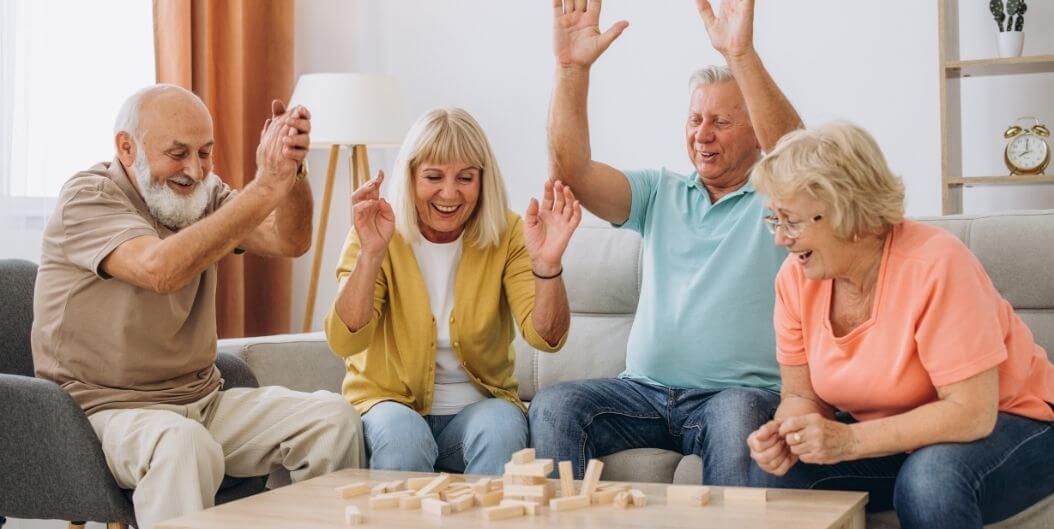
Events and celebrations can spark a sense of joy and engagement in the daily life of your senior loved one with dementia. For instance, occasions like a birthday party, a cultural event, or a seasonal holiday can bring them closer while encouraging them to share smiles, laughter, and joy.
With decoration, music, and good food, the events are more than just entertainment for your senior loved one with dementia or Alzheimer’s. The shared memories created during these gatherings will help them strengthen the bonds with residents, which is essential in building a healthy community.
5. Family and Community Involvement
Family and community involvement are important to the overall well-being of your senior loved one with dementia. That is why dementia care homes invite the families, volunteers, and local school groups to participate in various activities and programs. Family visits, community performances, and activity sessions will provide residents with opportunities to connect with people on different levels.
Creating such moments of interaction is an effort to remind the residents that they are not just participants in a memory care setting. They are an active and valuable member of a supportive and well-connected community.
Want Your Senior Loved One With Dementia or Alzheimer’s to Thrive in a Supportive Environment? Schedule a Tour at Brayden Park Memory Care Today
While safety and health are important, caring for people with dementia is also about fostering friendships and making them feel like they belong. With group activities, inclusive spaces, and fun and exciting events, Brayden Park Memory Care ensures that your loved one with dementia feels valued and connected.
If you are worried about whether your loved one will be able to thrive in a memory care setting, schedule a tour at Brayden Park Memory Care today. Our thoughtfully designed activities and programs are all about encouraging social interactions among the residents.