Understanding What is Cognitive Impairment and How Memory Care Can Slow Down Its Progression
Cognitive impairment is a term used to describe difficulties with memory, thinking, and problem-solving that go beyond the typical changes of aging. For seniors experiencing these challenges, everyday tasks that once felt routine can become confusing or overwhelming. Left unaddressed, cognitive decline can contribute to frustration, anxiety, or withdrawal from social interactions.
Memory care provides a structured and supportive environment specifically designed to address these challenges. Moreover, memory care focuses on preserving cognitive function, and promoting engagement, comfort, and emotional well-being.
What is Cognitive Impairment?
Cognitive impairment refers to a range of difficulties with memory, attention, and reasoning. Unlike normal age-related changes, these challenges can interfere with daily life, affecting the ability to manage personal tasks, navigate familiar spaces, or communicate effectively. Cognitive impairment can be mild or moderate and may progress over time, requiring additional support and intervention to maintain quality of life.
Early recognition of cognitive changes is key to ensuring appropriate care. Common signs include memory lapses, difficulty completing familiar tasks, or confusion about time and place. Behavioral changes such as agitation, mood swings, or withdrawal from social activities can also indicate cognitive challenges. Identifying these signs early allows families and caregivers to seek supportive living arrangements like memory care when appropriate.
The Role of Memory Care in Supporting Residents With Cognitive Impairment
Memory care communities provide predictable schedules to reduce confusion and stress. Daily routines typically include set times for meals, exercise, recreational activities, and rest. This consistency helps residents feel secure and oriented, providing a sense of stability that is particularly important for those experiencing memory challenges.
Rather than being rigid, these routines are adaptable to meet individual preferences and energy levels. Residents can participate at their own pace, ensuring engagement without pressure or frustration.
Personalized Activities to Encourage Engagement
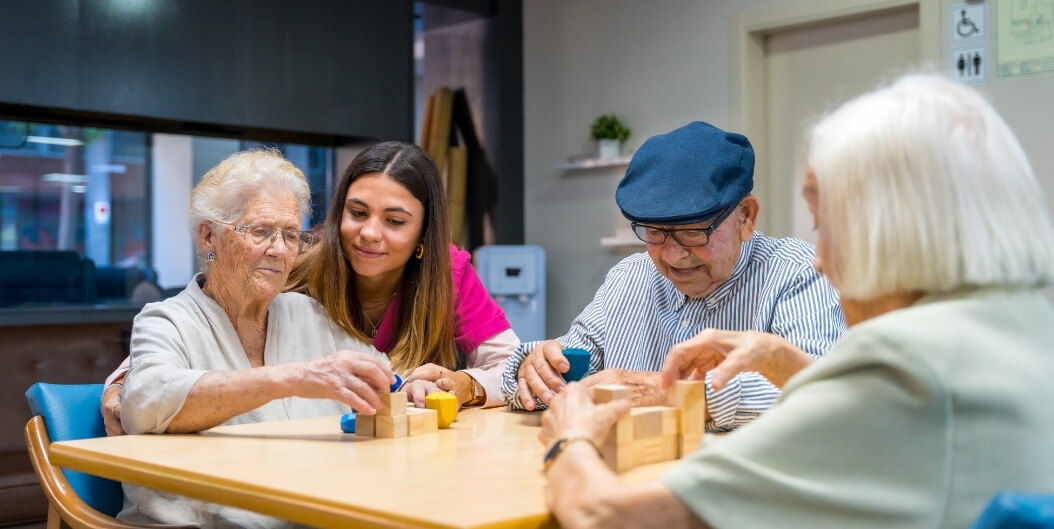
Memory care programming focuses on activities designed to match each resident’s abilities and interests. From music and art therapy to memory-based games and social gatherings, these experiences encourage mental stimulation while reinforcing a sense of purpose. Personalizing activities helps residents feel valued and capable, supporting cognitive health and slowing the progression of impairment.
How Memory Care Can Slow Cognitive Decline
Engaging the mind through structured, enjoyable activities can help preserve cognitive function. Memory games, puzzles, music therapy, and creative projects stimulate memory and problem-solving skills, reinforcing recognition and mental abilities. By focusing on strengths rather than limitations, memory care promotes confidence and satisfaction, making daily engagement both rewarding and effective.
Promoting Social Interaction and Emotional Well-Being
Social interaction is essential for emotional and cognitive health. Memory care encourages residents to interact with peers and staff through structured group activities and one-on-one engagement. Maintaining social connections can help preserve communication skills, reduce isolation, and enhance emotional well-being. Feeling part of a community supports both confidence and happiness, creating a more fulfilling daily experience.
Assisted Living as a Complementary Option
Assisted living provides support for seniors who may not yet require memory care but benefit from help with daily activities of living, such as bathing, dressing, medication management, or mobility. This level of support allows residents to maintain autonomy while ensuring safety and comfort. Assisted living programs often include social and recreational activities that help residents stay engaged and mentally active.
Preparing Residents for Memory Care if Needed
Assisted living can also serve as a bridge for residents who may eventually require memory care. Engaging routines and structured programs help seniors build habits of activity, socialization, and cognitive engagement. When memory care becomes necessary, these communities make the transition smoother, allowing residents to adjust to specialized support while maintaining a sense of familiarity.
Additional Strategies to Support Cognitive Health in Memory Care
Physical activity is closely linked to brain health and overall well-being. Memory care communities incorporate gentle exercise routines, guided movement, and walking groups to help residents stay active. Movement reduces restlessness, supports physical health, and encourages social engagement, all of which can contribute to maintaining cognitive function.
Personalized Daily Engagement
Memory care staff continuously observe and adapt activities to match each resident’s abilities, energy levels, and interests. This individualized approach ensures residents remain mentally and emotionally stimulated without feeling overwhelmed or frustrated. Tailored engagement supports self-esteem, comfort, and a sense of accomplishment throughout the day.
Worried About Your Senior Loved One Who’s Showing Signs of Cognitive Impairment? See How Brayden Park Memory Care Can Help Slow Down Their Cognitive Decline
At Brayden Park Life, memory care is designed to help seniors with cognitive impairment live with dignity, purpose, and comfort. Structured daily routines, individualized activities, and attentive staff work together to reduce boredom, support cognitive health, and encourage social engagement.
Both assisted living and memory care options are available, providing residents with the level of support they need while fostering engagement and connection. If you are looking for a memory care setting for your senior loved one, consider scheduling a tour of Brayden Park Life to see firsthand how Brayden Park Life supports residents with cognitive challenges every day.